
We under-utilize IVUS because the available technologies force a compromise between image quality and fit with our workflow. Patients could benefit if we used IVUS more.”
– PERIPHERAL INTERVENTIONALIST

IVUS Has Proven Its Value. Now the Technology Needs to Deliver on It.
As the role of Intravascular Ultrasound (IVUS) in vascular intervention expands, limitations in imaging, ease of interpretation, and workflow continue to stand in the way of its full potential.
A Critical Tool for Vascular Intervention
Peripheral procedures are becoming more complex, and physicians need a more complete understanding of vessel anatomy to confidently plan, guide, and optimize treatment. IVUS provides real-time intravascular visualization, helping physicians assess disease, size vessels, guide therapy, and evaluate treatment results—supporting informed, patient-specific decisions throughout the intervention and ultimately optimizing patient care.
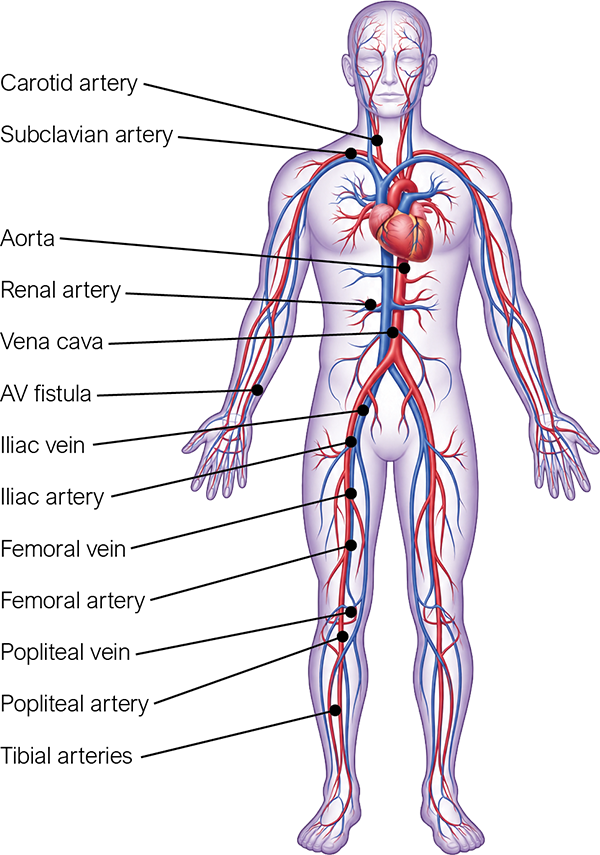
Clinical momentum is growing. Adoption still lags.
Strengthening clinical evidence, increasing procedural complexity, and growing cross-specialty consensus are driving greater use of IVUS in peripheral intervention.
In 2022, the first peripheral vascular IVUS randomized controlled trial demonstrated IVUS significantly reduced restenosis following endovascular intervention.1 A recently published consensus analysis is further defining the procedural scenarios in which peripheral IVUS delivers value during lower extremity arterial and venous intervention.2
Yet adoption remains well below its potential.
Most legacy IVUS platforms were initially developed for coronary procedures. To date, there has been limited innovation to address image quality, interpretation, and workflow that would make IVUS ideally suited for peripheral vascular applications, despite the clear clinical benefit.
Key Factors Driving Increased Utilization of IVUS
IVUS CHANGES TREATMENT PLANS
79%
of arterial cases1
57%
of venous cases3
41%
in aortic stent graft sizing4
RCTs demonstrate improved vessel patency when utilizing IVUS compared to angiography alone1
Expert clinicians establish first-ever global consensus for the use of IVUS in peripheral vascular interventions2
IVUS has an image problem.
Physicians are too often asked to compromise between the imaging they need and the workflow their practice demands.
Image quality and image interpretation
Physicians consistently cite challenges associated with image clarity, vessel-wall delineation, and confidence in interpreting IVUS images in diseased pathology, particularly among less experienced users.
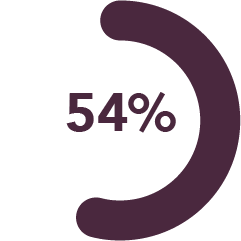
54% of respondents cited challenges with image interpretation on their current IVUS systems5
Workflow and ease of use
Current-generation IVUS systems are often viewed as cumbersome, requiring multiple steps and creating procedural inefficiencies that can discourage routine utilization in high-volume practices.

76% of respondents cited barriers to efficient workflow with their current IVUS systems5

70% of respondents cited challenges with having experienced staff available to support their current IVUS system during cases5
When IVUS is difficult to use, its clinical value goes unrealized.
When technology creates barriers to routine IVUS use, physicians may have less information available to guide and optimize therapy, limiting the opportunity to achieve the best possible treatment outcome for their patients.
A growing clinical need. A growing opportunity to address it.
Peripheral vascular disease affects millions of Americans, and the number and complexity of interventions continue to rise.
21M+
Americans affected by PAD6
26M+
projected by 20406
Unlocking the full potential of IVUS requires technology that delivers the image fidelity physicians need, the intelligence to support efficient image review, and a workflow that makes IVUS easier to use. Without compromising one for the other.
See How Evident is Transforming IVUS
- Allan RB, et al. The Impact of Intravascular Ultrasound on Femoropopliteal Artery Endovascular Interventions: A Randomized Controlled Trial. JACC Cardiovasc Interv. 2022;15(5):536-546. doi:10.1016/j.jcin.2022.01.001
- Secemsky EA, et al. Appropriate Use of Intravascular Ultrasound During Arterial and Venous Lower Extremity Interventions. JACC Cardiovasc Interv. 2022;15(15):1558-1568. doi:10.1016/j.jcin.2022.04.034
- Gagne PJ, et al. Venography Versus intravascular Ultrasound for Diagnosing and Treating Iliofemoral Vein Obstruction. J Vasc Surg Venous Lymphat Disord. 2017;5(5):678-687. doi:10.1016/j.jvsv.2017.04.007
- Lortz J, et al. Intravascular Ultrasound Assisted Sizing in Thoracic Endovascular Aortic Repair Improves Aortic Remodeling in Type B Aortic Dissection. PLoS One. 2018;13(4):e0196180. doi:10.1371/journal.pone.0196180
- Data on file. Evident Vascular, Inc.
- About. The Sage Group website. Copyright 2026. Accessed October 25, 2026. thesagegroup.us